Dogs are more than just pets; they are family. Their health and happiness directly affect our lives, which is why any changes in their behavior or health are worth investigating. One often-overlooked indicator of a dog’s health is their poop. Changes in color, consistency, or frequency can signal underlying health issues, such as colitis in dogs.
Colitis dog poop is a topic that requires attention. It’s not just about cleaning up—it’s about recognizing signs that your furry friend might need medical care. At Scoop D DOO, we specialize in pet waste management, but our mission goes beyond that. We aim to educate pet owners on health concerns related to their pets.
This blog will help you understand what colitis dog poop looks like, its causes, and the steps you can take to manage it effectively.
What is Colitis in Dogs?
Colitis refers to the inflammation of the colon and is a common digestive issue in dogs. This condition often leads to changes in poop consistency and frequency, making it a critical area for observation.

Symptoms of Colitis in Dogs
- Frequent diarrhea with mucus or blood
- Straining during defecation
- Abdominal discomfort or bloating
- Lethargy or loss of appetite
Colitis Dog Poop: What Does It Look Like?
The appearance of poop is one of the most telling signs of colitis. Colitis poop in dogs often has distinct characteristics that can help in early diagnosis.
- Consistency: Loose, watery, or semi-formed stool
- Color: Light brown to yellowish, sometimes with blood
- Mucus Content: Often slimy due to excess mucus production
- Frequency: Increased trips outside, straining even when the bowel is empty
Common Causes of Colitis in Dogs
Dietary Indiscretion
Dogs are naturally curious and might eat things they shouldn’t, like table scraps or trash. Such behavior often leads to digestive upset and colitis.
Stress-Induced Colitis
Stress can trigger colitis in dogs, especially during events like moving homes, the arrival of a new pet, or loud celebrations.
Parasites and Infections
Intestinal parasites like Giardia or bacterial infections can irritate the colon, leading to inflammation.
Allergies
Food allergies or intolerances to ingredients like dairy, wheat, or chicken can cause chronic colitis.
Chronic Illnesses
Conditions like inflammatory bowel disease (IBD) or cancer may cause persistent colitis.
Diagnosing Colitis in Dogs
If you notice unusual changes in your dog’s poop, a visit to the vet is essential. The vet might use these methods to diagnose colitis:
- Physical Examination: Checking for abdominal tenderness or bloating.
- Fecal Analysis: Identifying parasites, bacteria, or abnormal substances.
- Blood Tests: Detecting underlying systemic issues.
- Imaging: Ultrasound or X-rays to rule out blockages or tumors.
Effective Management of Colitis in Dogs
Dietary Adjustments
Switching to a bland diet, such as boiled chicken and rice, can help soothe the digestive system. Gradually reintroduce your dog’s regular diet once symptoms improve.
Probiotics
Probiotics promote healthy gut bacteria, which is essential for managing colitis symptoms. Look for vet-recommended formulations.
Medications
Anti-inflammatory medications or antibiotics may be prescribed depending on the cause of colitis. Always follow your vet’s instructions.
Colitis Dog Poop: Pictures and Why They Matter
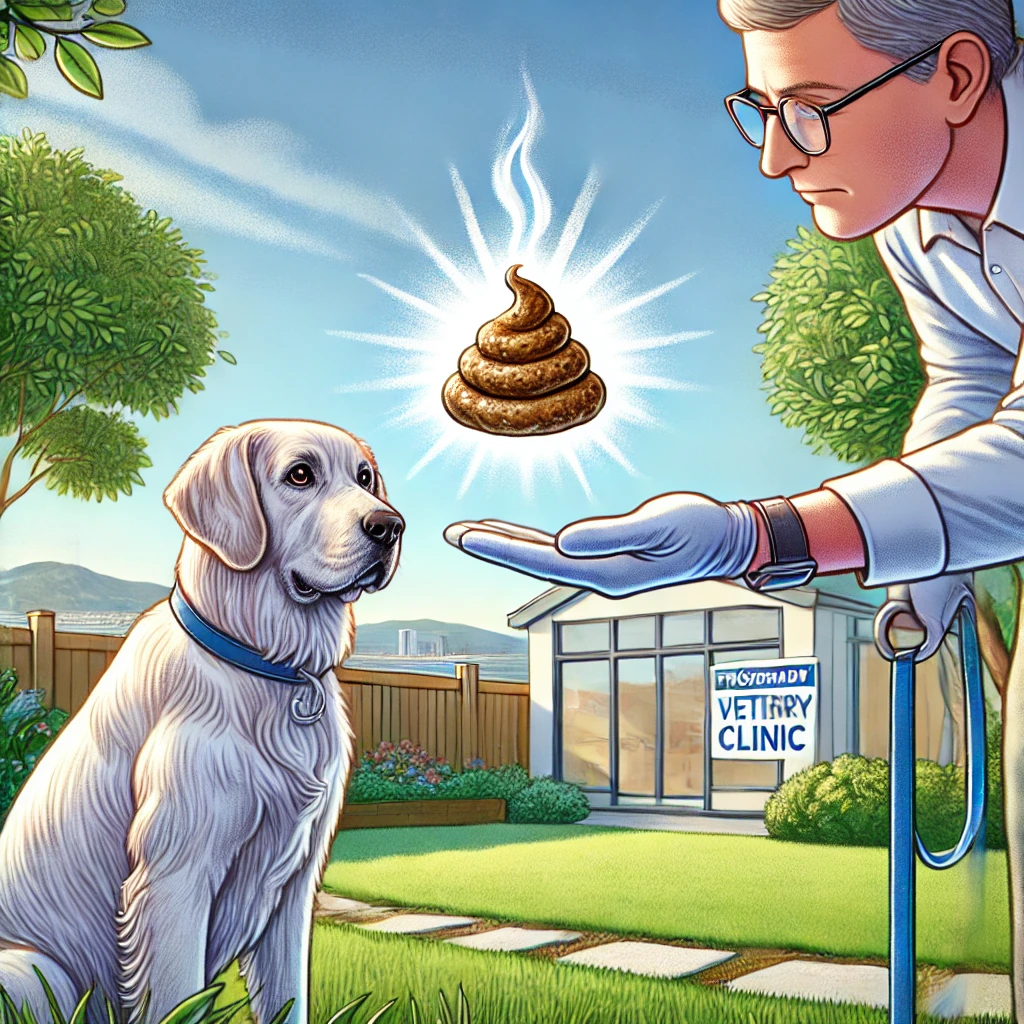
Sometimes, taking a picture of your dog’s poop can be helpful for your vet. Colitis poop pictures dog owners capture can provide valuable information for diagnosis and treatment.
Preventing Colitis in Dogs
While not all causes of colitis are preventable, some proactive steps can minimize risks:
- Stick to a consistent, high-quality diet.
- Avoid sudden food changes.
- Keep your dog away from trash or toxic foods.
- Provide stress-relief through exercise and play.
- Schedule regular vet check-ups to catch potential issues early.
Scoop D DOO’s Commitment to Pet Wellness
At Scoop D DOO, we understand that a healthy dog leads to a happier home. As part of our pet waste management services, we encourage pet owners to monitor their dog’s poop for health insights. By staying informed about conditions like colitis, you can ensure your pet gets the care they need.
Conclusion
Understanding colitis dog poop is not just about identifying a problem but also about taking proactive steps to improve your dog’s health. From recognizing symptoms to providing the right care, your attention can make a significant difference in their quality of life.
At Scoop D DOO, we support pet owners in every aspect of pet care, from waste management to health awareness. Let’s work together to keep your furry friends happy, healthy, and full of life.
FAQs About Colitis Dog Poop
What does colitis dog poop look like?
It’s usually loose or watery, sometimes with mucus or traces of blood.
How is dog colitis poop different from regular diarrhea?
Colitis poop often contains mucus, is lighter in color, and may be accompanied by straining.
Can stress cause colitis in dogs?
Yes, stress is a significant trigger for colitis in dogs.
Is colitis in dogs serious?
While often treatable, persistent colitis can indicate underlying issues that need medical attention.
What foods help dogs with colitis?
Bland diets like boiled chicken, white rice, and vet-recommended gastrointestinal formulas are ideal.
Should I take my dog to the vet if they have colitis symptoms?
Yes, a vet visit is essential for accurate diagnosis and effective treatment.


